How to Find a Metal Fabrication Manufacturer
Landing the perfect metal fabricator can feel like panning for gold in a scrapyard: there is sparkle everywhere, but most of it is just glittery rust. You probably already know that your end product lives or dies on precision welds, tight tolerances, and delivery dates that do not slip when customers are breathing down your neck. Yet scrolling through pages of search results quickly turns into alphabet soup of laser cutters, machinists, and stamping shops all insisting they are the one.
Treat the quest the way a smart manufacturing company treats a new product launch: map the specs, narrow the field, and stress-test every candidate before you hand over a single drawing. In this guide we unpack the steps, translate industry jargon into plain English, and sprinkle in a few laughs so the process hurts a little less.
Clarify Your Project Specs
Size, Shape, and Material
Choosing a shop before defining the nuts and bolts of your project is like ordering pizza without deciding on toppings; you will end up with whatever the kitchen feels like making. Start by writing down beam lengths, wall thicknesses, hole patterns, surface finishes, and any critical tolerances.
Mention whether components must survive salt spray, extreme heat, or the occasional angry forklift. If the fabricator sees clear drawings and material callouts up front, they can calculate cycle time accurately, quote confidently, and flag any blind spots before metal meets blade.
Volume and Future Growth
Be honest about how many parts you need now and how many you hope to need next year. A boutique garage that excels at prototypes may freeze when you jump from five units to five hundred, while a high volume powerhouse will shrug at small orders and tack on setup fees that break your budget.
Sharing a realistic growth curve helps both sides plan machinery investments, inventory strategies, and shift schedules so no one panics when the first big purchase order lands.
Build a Shortlist
Industry Directories and Associations
Once specifications are locked, you need names. Start with industry directories maintained by trade associations, because listings often include certifications, common alloys processed, and maximum sheet sizes. Unlike generic search results, these databases are curated, meaning the companies at least bothered to verify contact details and upload compliance documents.
Skimming a dozen profiles and noting who handles mild steel versus Inconel trims hours off your hunt and makes the first contact email far more persuasive.
Trade Fairs and Digital Footprints
Directories give you data; trade fairs give you vibes. Walk the aisles, grab goggled reps, and ask what parts are sitting on their tables. If someone dodges a straightforward question about press brake tonnage, move on.
Back at the hotel, research each promising badge with digital sleuthing: check customer reviews, social feeds, and photos of projects, not stock images. The companies that shine online and in person are worth a deeper dive.
| Channel | Why It Works | What to Collect | Fast Qualification Checks | Red Flags | Shortlist Output |
|---|---|---|---|---|---|
| Industry Directories & Associations | Curated listings reduce noise and often include certifications, typical materials, and capacity hints—faster than generic search. |
|
|
Vague capability claims, outdated listings, “we do everything” with no specifics. | A “Directory Bench” list with tags like mild steel stainless laser + brake certified welding. |
| Trade Fairs (and Plant Visits) | You can read capability on a booth table in 30 seconds—and you can test whether reps answer straight under pressure. |
|
|
Dodging basic questions, only showing stock images, “trust us” talk with no examples. | A “Seen It in Person” shortlist with notes on fit, communication, and confidence under questions. |
| Digital Footprint Checks | Quick validation after the first pass—proof of real work, real customers, and real facilities (not a brochure universe). |
|
|
Only stock imagery, no facility proof, confusing capabilities, slow or generic replies. | A trimmed “Top Candidates” list (5–10) ready for capability vetting and formal RFQs. |
Vet Technical Capabilities
Equipment Lineup
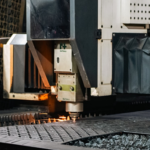
A fabricator can brag about five axis laser cutters all day, but you need to see the metal moving in person. Ask for a full equipment roster with model numbers, bed sizes, punch forces, and the last date each machine was serviced. Compare those specs to your drawings; if you require deep draw forming and the shop only owns light duty presses, keep scrolling.
While you are there, trace the physical flow from raw stock to finished crate. A tidy, labeled path suggests efficiency, lower scrap rates, and fewer mysterious dents on brand-new parts.
Quality Control Procedures
Cutting metal is only half the job; measuring it makes or breaks your reputation. Step into the inspection room and watch how technicians cradle a granite surface plate or calibrate a coordinate measuring machine. Are gauges stored in foam or rattling in a toolbox?
Ask how often they run capability studies, how they record nonconformances, and what happens when a hole wanders outside tolerance. A shop that logs issues in real time and conducts root cause reviews will not shrug if your bracket warps during a summer heat wave.
Check Compliance and Certifications
Safety and Environmental Rules
Fabricators do not operate in a vacuum; they bathe in sparks, fumes, and local authorities who love surprise inspections. Ask for proof of OSHA compliance, evidence of lockout tagout training, and details on how they capture welding smoke.
If your parts will cross borders, check whether the shop meets international standards such as ISO 14001 and whether waste manifests match the claims on their shiny website. A plant that invests in clean air systems signals it cares about both worker lungs and customer reputation.
Documentation Discipline
Paperwork keeps auditors calm and lets you sleep at night. Request sample production travelers, material certificates, and inspection reports from a recent job. Look for neat handwriting or clear digital entries rather than coffee stained scribbles. Verify that every sheet links back to a revision controlled drawing.
When documents are organized, parts usually follow suit because people who track data meticulously tend to bolt metal the same way. Sloppy folders, by contrast, are neon signs flashing “future headaches ahead.”
Evaluate Culture and Communication
Responsiveness Under Pressure
In manufacturing, radios go quiet at the worst moment, so test how quickly a potential partner answers when you deliberately send an email with a tricky question late Friday afternoon. If the reply arrives before your second cup of coffee Monday and actually addresses the issue, you have found a team that respects schedules.
If the silence stretches until Wednesday or the answer is a generic brochure, imagine how they will act when a truckload of parts is stuck at the border.
Shared Values That Matter
Shared values transform vendor relationships into something closer to alliance. Find out how the plant treats apprentices, whether it sponsors local technical schools, and how it handles scrap beyond tossing it in the bin.
These details sound fuzzy, yet they hint at the attitudes that drive quality on the floor. A crew proud of their craft will polish edges nobody sees because their name is stamped inside, whereas a crew just punching a clock might let a burr slice your customer’s finger.
Negotiate with Foresight
Pricing Anatomy
Price discussions resemble a poker game, but transparency wins longer rounds. Break down quotes into material, labor, overhead, and profit so you can benchmark apples to apples. Clarify minimum order quantities and how often the supplier can adjust rates due to steel surcharges. An honest shop will welcome the granularity because it shields them from accusations later.
Protecting Designs and Data
Finally, guard your intellectual property like the last cookie in the break room. Confirm that design files live on secure servers, visitors sign in, and shop tours avoid sensitive areas. Write confidentiality clauses that survive contract termination and specify how prototypes are destroyed.
You will worry less when brilliant competitors call your favorite fabricator, and you will sleep knowing your edge stays yours. That peace of mind helps you focus on engineering, not courtroom drama.
Conclusion
Finding a metal fabrication manufacturer is not an arcane ritual; it is a series of deliberate questions, patient listening, and gut checks. When you define your specs, verify capabilities, and judge culture with the same rigor you apply to engineering drawings, the choice becomes clear.
Partner with the crew that shares your urgency and pride, sign the paperwork with confidence, then get back to inventing things that bend, cut, and punch the future into shape.