CNC Machining vs Injection Molding: When to Use Each
Picture a product designer pacing around their lab, prototype in hand, calculator smoking from all the cost estimates. The choice boiling their brain is whether to cut parts on a CNC mill or shoot molten plastic into a steel mold. If you work for a manufacturing company, or simply need to make tangible things without burning cash, knowing when to pick each process can save budgets and deadlines alike.
In this guide we compare the two titans of modern production, lay out their quirks and capabilities, and give you a clear decision tree so you can move from napkin sketch to finished part with confidence. Grab your coffee and let us break it down together.
Understanding CNC Machining
How CNC Removes Material
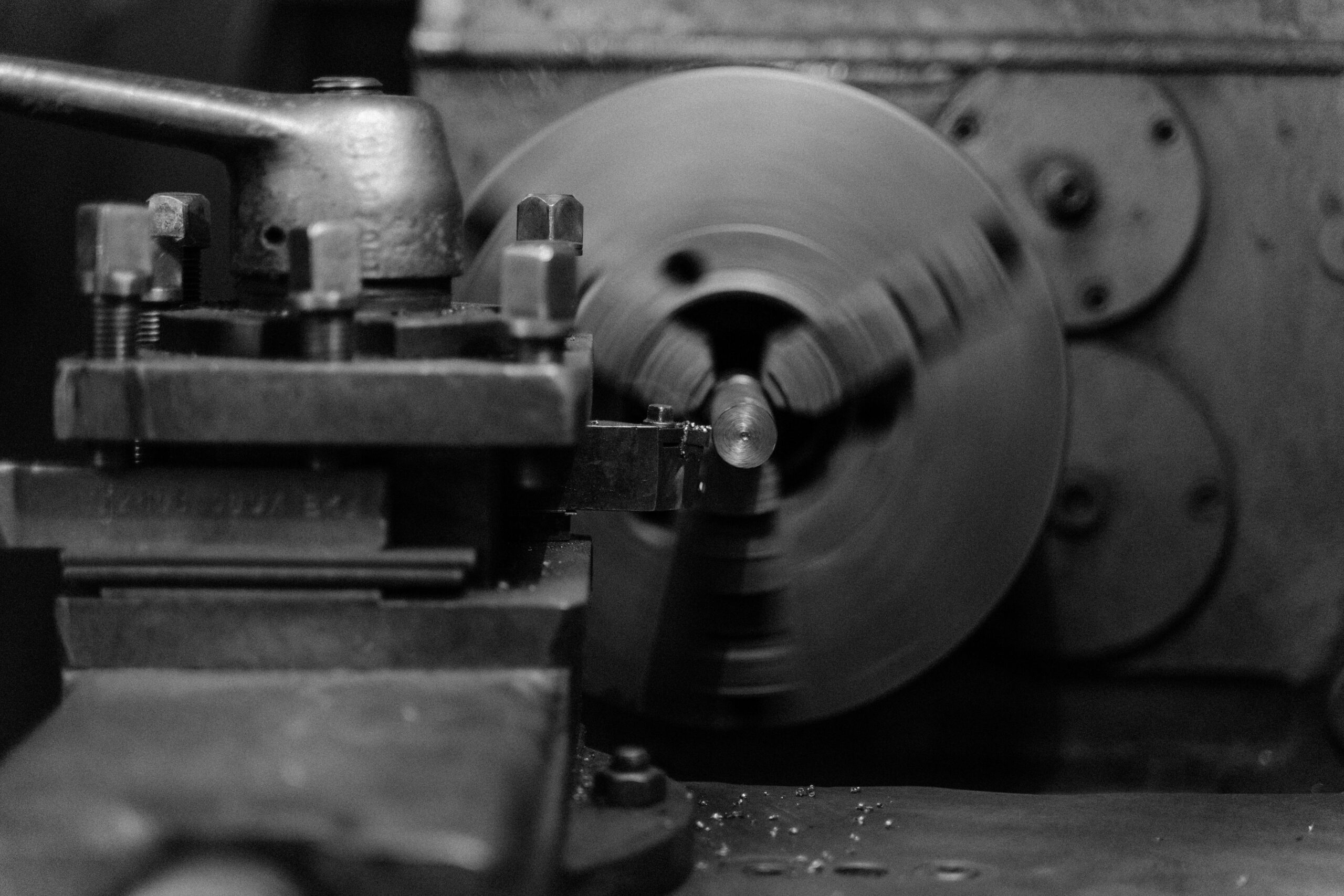
Computer numerical control feels like magic once the spindle starts to sing. The mill reads G-code and shaves aluminum, steel, or wood a hair at a time. Because the part is carved from solid stock there is no melting phase, so internal stresses stay low and tolerances stay tight.
Setup still matters; clamp the blank, zero the axes, and choose the right feed or risk turning the blank into confetti. After the green button is pressed raw billet becomes finished component. Every gram of swarf on the floor, though, is material paid for but thrown away.
Material Flexibility
CNC machines are not fussy diners. Feed them aerospace grade titanium, medical grade stainless, or a block of fancy wood, and the cutter will chew through the lot as long as the tool, speed, and coolant are chosen wisely. This rainbow of material options makes CNC a clear winner for prototypes that may change alloy mid-project or for jigs that live in harsh factory environments.
Plastics also behave nicely under a sharp end mill, allowing design teams to test nylon gears without waiting for molds. Engineers even mill wax or foam to check ergonomics by hand before committing to harder stock. The moral is simple: if the material exists in a block, someone has probably machined it.
Ideal Production Volumes
Where CNC begins to sweat is when part counts creep into the thousands. Each piece still demands machine time, tool wear, and an attentive operator to swap fixtures or flip parts. Cycle times can be shortened with clever programming, but physics sets a hard floor on how fast metal can be removed before chatter turns the surface into a topographical map.
For most workshops the sweet spot sits in the one to five hundred unit range, where the setup costs are diluted but the job does not monopolize production for weeks. Past that point the risk of tool breakage, spindle downtime, and sheer boredom make alternative methods look attractive.
Understanding Injection Molding
The Molding Cycle in a Nutshell
Injection molding flips the script from carving metal to casting plastic under pressure. Pellets melt inside a heated barrel and are shot into a steel cavity quicker than a camera flash. Seconds later the mold opens with a clack and a fully formed part drops out. Once the machine is tuned, every cycle repeats with metronome regularity.
Set up once, press start, and the press spits out twins at a pace no milling center can touch. The caveat is the steel tool, which can cost more than a sports car, so the math only works when you need an army of parts.
Consistency and Surface Finish
Because every part is born inside a hardened cavity, injection molding delivers near clone level repeatability. Surface finish comes straight off the polished tool, which means textures can be dialed in to feel like satin, matte, or high gloss without secondary work. Draft angles nudged into the design help the part pop free, avoiding the tiny gouges that an ejector pin might leave behind.
Color is baked in too; masterbatch pellets add pigment so the part never needs paint that can chip or peel. For consumer goods this is brand gold, since each piece lands on the assembly line already colored, shaped, and ready for packaging. If tolerances stray the press operator tweaks temperature or pressure and the process drifts back to center like a self correcting cruise control.
Tooling Cost and Lead Time
The elephant in the molding room is the tooling invoice. Cutting a steel mold takes EDM burns, high speed milling, and hand polishing. Lead times hover at four to ten weeks, an eternity when marketing wants samples yesterday. Once the mold arrives the press stamps parts at cents a shot, but until then cash is locked in cold steel.
Aluminum prototype molds cut cost and schedule yet still dwarf the setup charge for a CNC run. Injection molding is a financial slow burn that only turns white hot when volumes soar.
Deciding Which Process to Use
Prototype to Low Volume Builds
When the first design review meeting is dotted with sticky notes and red pen scribbles, speed beats pennies. CNC machining lets you tweak a radius before lunch and cut a fresh prototype by dinner, allowing feedback cycles that stay as tight as a snare drum. Labor costs bite, but the project bankroll has not yet ballooned into mass production territory, so paying per part remains acceptable.
For fixtures, replacement components, and custom one offs, the mill is the undisputed monarch. Nobody wants to wait a month for a mold to discover that a vent hole sits in the wrong spot; that is the stuff of budget nightmares. Use CNC until the design is frozen and the bean counters can estimate yearly demand with a straight face.
High Volume Cost Efficiency
Once volume forecasts climb into the tens of thousands, injection molding flips the spreadsheet like a pancake. The eye watering mold has already been paid for, so every shot that ejects from the press erodes the effective tooling cost per unit. Cycle times measured in seconds, not minutes, translate into production rates that can fill pallets before the coffee break.
Material utilization skyrockets since only thin runners end up in the recycle bin instead of a mountain of aluminum chips. Over a long campaign the savings can fund the next product line or at least a celebratory pizza party for the shop floor crew. If your annual demand can top the break even threshold, molding becomes the financial bulldozer pushing cost curves downward.
Geometry and Material Considerations
Not every design plays nicely with every process. Deep pockets or uneven wall thickness can trap air in a mold but offer no challenge to a five axis mill. Conversely, thin living hinges and fine textures are trivial for molten polymer yet near impossible on a cutter.
High temp alloys shrug off heat that would melt plastic, while some polymers shrug off corrosion better than steel. Pick the process that matches the stresses, finishes, and feature sizes your part demands. When uncertain, prototype with CNC and run simulations before investing in tooling.
| Decision factor | If this is true… | Choose CNC machining when… | Choose injection molding when… | Quick sanity checks |
|---|---|---|---|---|
|
Stage of development
|
The design is still changing (sticky notes, redlines, “one more tweak”). | You need rapid revisions, same-day/next-day parts, and you want to avoid locking money into tooling while the design is still moving. |
The design is effectively frozen, with stable dimensions, draft, and wall thickness—ready for a repeatable cavity. | Ask: Will we change geometry in the next 2–4 weeks? If yes, keep it CNC until changes slow down. |
|
Volume & unit economics
|
You can forecast demand with confidence (not vibes). | Volumes are low-to-mid and you can tolerate higher per-part cost to avoid large upfront tooling. | Volumes are high enough that tooling amortizes quickly, and seconds-per-part cycle time dominates the spreadsheet. | Ask: Is demand in the tens of thousands annually (or more)? If yes, molding likely wins on cost. |
|
Lead time & schedule pressure
|
You need parts quickly for testing, demos, or early customer feedback. | You need fast turnaround and can accept that every part costs more because you’re paying in machine time. | You have time for tooling lead (weeks), because once the mold arrives, output ramps hard and stays consistent. | Ask: Can we wait for tool build + sampling? If not, start with CNC (or bridge tooling later). |
|
Geometry & feature fit
|
Features include deep pockets, complex undercuts, or uneven thickness risk. | Deep pockets and complex internal features are easier to cut; multi-axis machining handles tricky access. | Thin walls, living hinges, snap-fits, and molded textures are the natural home of injection molding. | Ask: Does the design require draft, uniform walls, and ejectable geometry? If yes, it’s mold-friendly. |
|
Material & performance needs
|
The part must survive harsh conditions or needs a specific alloy. | You need metals (aluminum, steel, titanium) or unusual plastics, and want flexibility to swap materials during development. | A production polymer is the target (ABS, PC, nylon, etc.) and you want repeatable mechanical properties and finish at scale. | Ask: Is the end part plastic with stable specs and cosmetic requirements? If yes, molding is a strong candidate. |
|
Finish, consistency & branding
|
You care about “every part looks identical” out of the box. | Early runs are fine with machining marks or secondary finishing because speed matters more than perfect cosmetics. | You want near clone-level repeatability, molded textures, and color baked-in without painting or post-processing. | Ask: Is “cosmetic consistency” a requirement? If yes and volume supports it, favor molding. |
Conclusion
Choosing between CNC machining and injection molding is less a rivalry and more a relay race. CNC sprints through the design phase, handing off hardened prototypes and small batches with minimal fuss. Injection molding grabs the baton when demand soars, turning every shot of plastic into pennies saved.
The right choice depends on where you stand on the timeline, how many parts you need, and what those parts must endure. Keep both tools in your manufacturing toolbox, and you can move from napkin sketch to global launch without breaking stride.